Air Spring Explained: Real-World Insights into Stability, Fatigue, and System Behavior
The first time I truly understood Air Spring was after a neglected malfunction occurred. If it weren't for that long period of troubleshooting, I might still consider the air spring as an “optional” component to this day.
For a long time, my understanding of air springs remained at the level of textbooks: it can bear weight, adjust height, and absorb vibrations — it doesn't sound particularly mysterious.
Until one day, a seemingly well-designed system began to exhibit abnormal behaviors repeatedly during operation, and all routine checks yielded no results. Finally, the question pointed to the air spring.
At that moment, I realized:
The air spring is not a supporting role in the system; it often determines the “character” of the entire equipment.
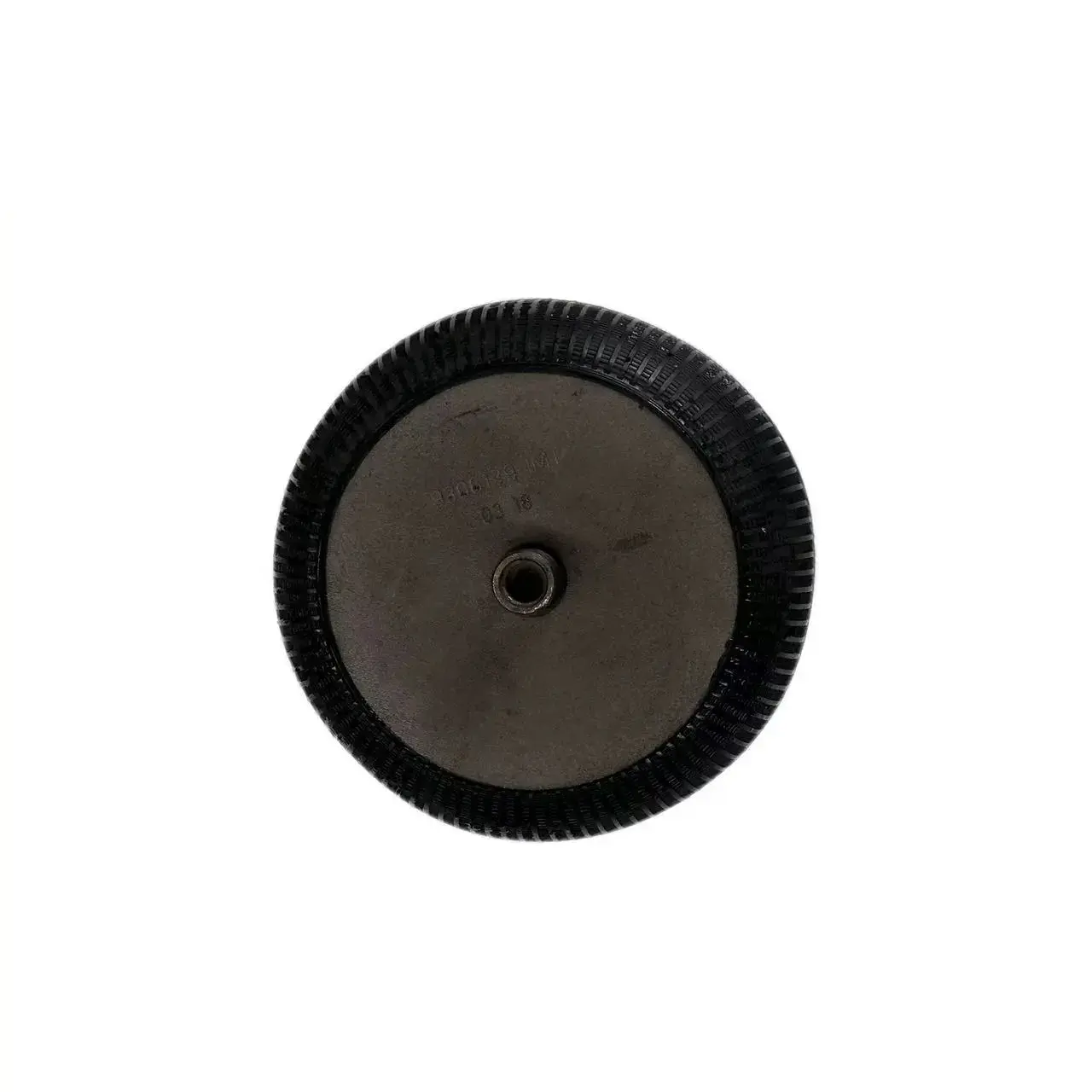
What exactly is the Air Spring doing, rather than what it is?
Many articles introducing air springs start by discussing their structure: the rubber bladder, compressed air, and the metal end cap. This information is correct, but it is not sufficient.
In practical usage, I prefer to view the air spring as a dynamic regulator rather than merely a load-bearing component.
What it truly addresses is not “can it hold out”, but three matters:
- Will the system remain stable when the load changes?
- How is the energy absorbed during the impact?
- Over a long period of operation, is the structure gradually “worn out”?
Traditional springs are passive in these matters, while air springs are capable of responding to environmental changes.
The differences I have observed in Air Spring across various application scenarios
After working on various projects, I discovered that the performance differences of air springs are much more pronounced than what is shown in the parameter table.
1. Air Spring in Industrial Equipment
In industrial settings, air springs are most often underestimated. When designing many devices, only the “rated load” is taken into consideration, but the following aspects are overlooked:
- Start-stop frequency
- Unbalanced load condition
- Ground conditions
- Material fatigue after long-term continuous operation
I have seen many devices that operated smoothly in the early stage, but started to exhibit resonance, noise, and even structural loosening after six months. Upon further investigation, the problem often lies in the mismatch between the selected air spring and the actual working conditions.
2. Air Spring in Vehicles and Transportation Systems
In the vehicle system, the function of the air spring is more obvious. It not only affects comfort, but also changes:
- The way the tire makes contact with the ground
- Vehicle posture
- Response during braking and steering
I have always believed that a truly mature air spring system is not one that “makes you feel no jolts”, but rather one that enables the driver to predict the vehicle's response even in extreme situations.
3. Precision Equipment and Vibration Isolation Scenarios
This is the field that interests me the most personally.
In precision manufacturing, testing equipment or experimental environments, air springs often undertake the task of “being invisible but absolutely error-free”.
Even the slightest vibration could lead to:
- Data drift
- Accuracy decreases
- Repetitive failure
In this scenario, the consistency, response speed and long-term stability of the air spring are much more important than its short-term carrying capacity.
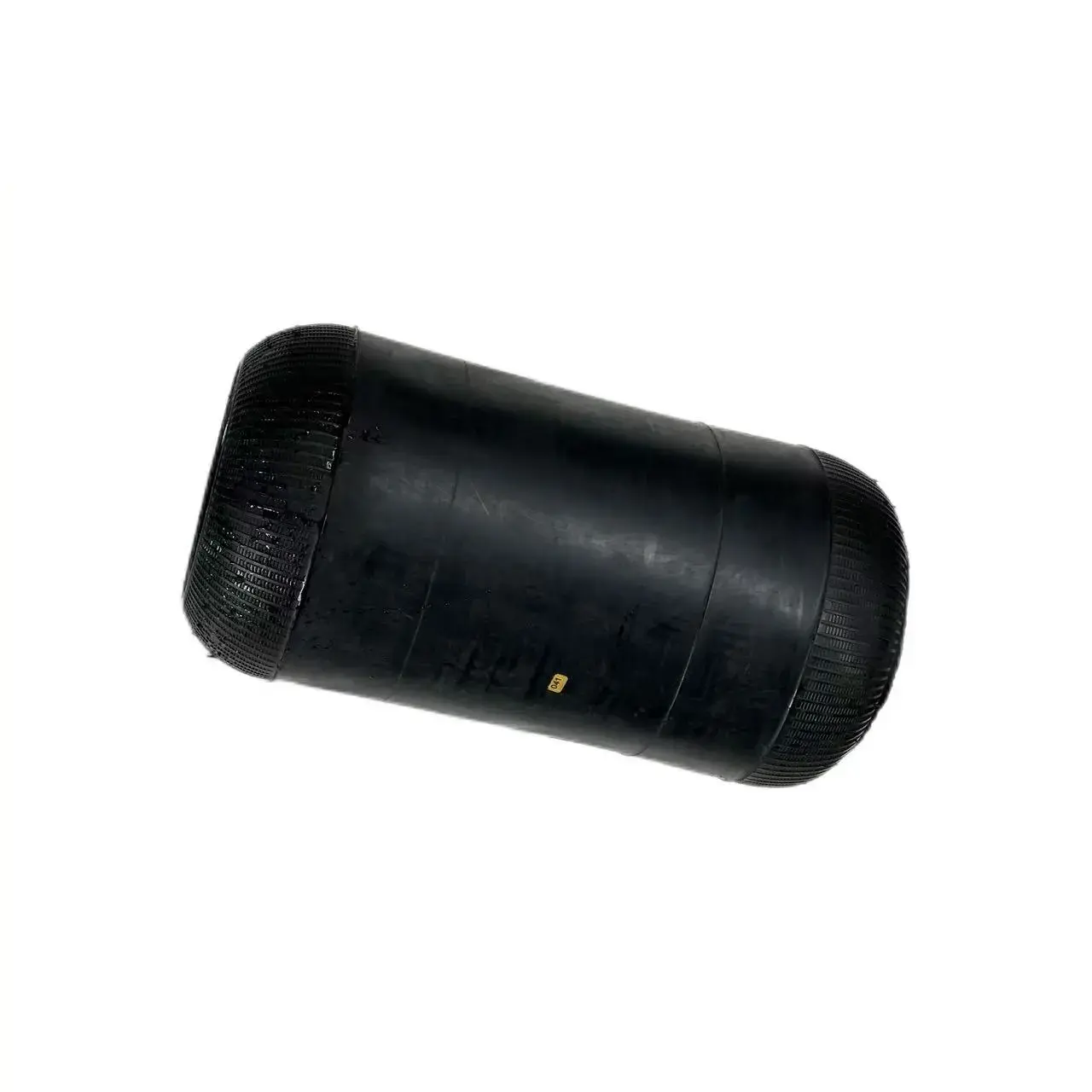
Why do some Air Springs start behaving strangely after being used for a while?
This is one of the questions that I have been asked most frequently. In my experience, the problem usually doesn't lie in whether the air spring is broken or not, but rather in the following overlooked details:
The workload has been consistently at an extremely high level for a long time
In the design of many systems, they often get stuck at the upper limit working range of the air spring. In the short term, it may seem fine, but in the long run, the fatigue rate of the rubber material will significantly increase.
Ignore the lateral force and torsion
Air springs are inherently not good at handling lateral stress. If the system structure does not effectively guide the force path, the air spring will be forced to bear what it “shouldn't bear”.
Environmental factors have been underestimated
Temperature, humidity, dust, and oil mist all have an impact on the performance of the air spring over time. Many problems do not occur suddenly; rather, they accumulate gradually.
Regarding the selection of Air Spring, the several principles I adhered to later
- Never just focus on the static parameters
- Reserve safety margins instead of striving for just the right amount
- Treat the maintenance cycle as part of the design conditions
- Prioritize long-term consistency over short-term performance
It was during this process that I began to notice some names that were repeatedly mentioned within the engineering community, such as Jinen. This was not due to any publicity, but because in discussions of different projects, it was always referred to in terms of “stability”, “clear specifications”, and “few pitfalls”.
This kind of reputation is usually not created by the market, but emerges from the actual performance on the ground.
Air Spring is not a component that can be simply installed and then done with
This is the sentence that I most often say to newcomers right now.
Air springs are not the kind of components that can be “selected and you're done for good”. Rather, they are more like a member of a system, which requires understanding and respect.
When you start to re-examine the air spring from the following perspectives:
- How does it collaborate with the structure?
- How does it change over time?
- How does it affect the overall lifespan of the system?
You will find that many “problems that are hard to explain” actually have clear patterns.
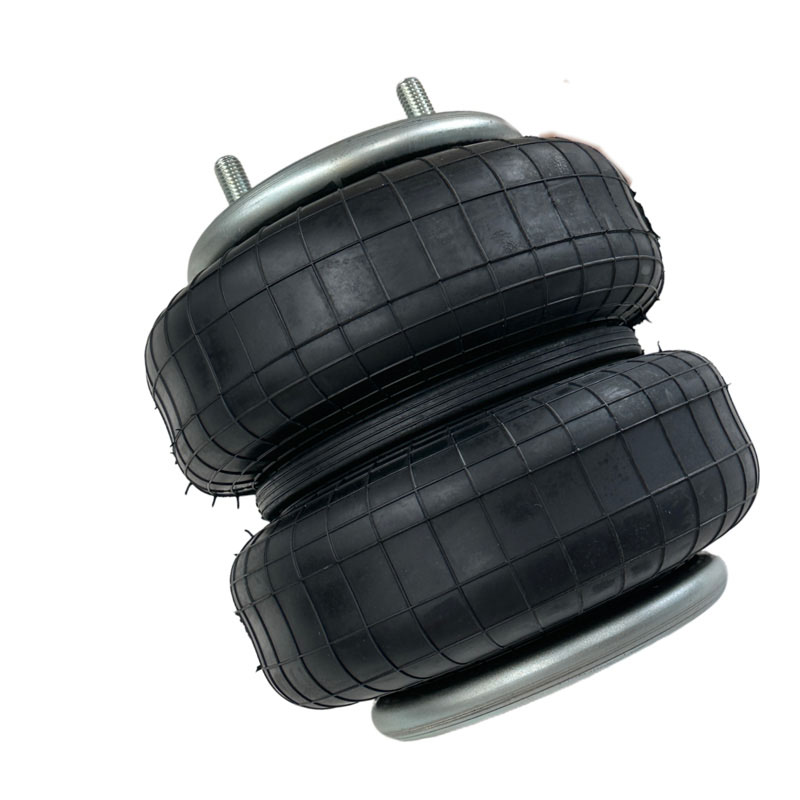
Final Note
Why am I willing to spend so much time talking about Air Spring?
Because I have fallen into such traps before, and I have also witnessed others repeating the same mistakes.
The term “air spring” may seem quite basic, but not many people truly understand it.
And once you do understand it, it often helps you:
- Reduce the failure rate of the system
- Extend the lifespan of the equipment
- Reduce uncontrollable maintenance costs
If you are currently conducting relevant selection, or are being troubled by some “unidentifiable vibration issue”, I sincerely recommend that you take a step back and re-examine your air spring.
Many answers have always been there all along.