Air Suspension Shock Absorber Explained: Why Modern Trucks Rely on Air for Stability
Air Suspension Shock Absorber: The Stability of a Truck’s Movement Is Closely Related to “Air”
To be honest, my first serious study of an Air Suspension Shock Absorber wasn’t because of its “high-tech” label, but because of a truck.
It was a heavy truck running on European main roads. It wasn’t particularly new, yet its condition was surprisingly good. Even on poor road surfaces, the vehicle stayed remarkably stable—hardly behaving like a machine carrying tens of tons of cargo.
At that moment, one thought crossed my mind: this truck didn’t make it this far by luck.
Later, the answer became clear—the air suspension shock absorber system was quietly doing its job behind the scenes.
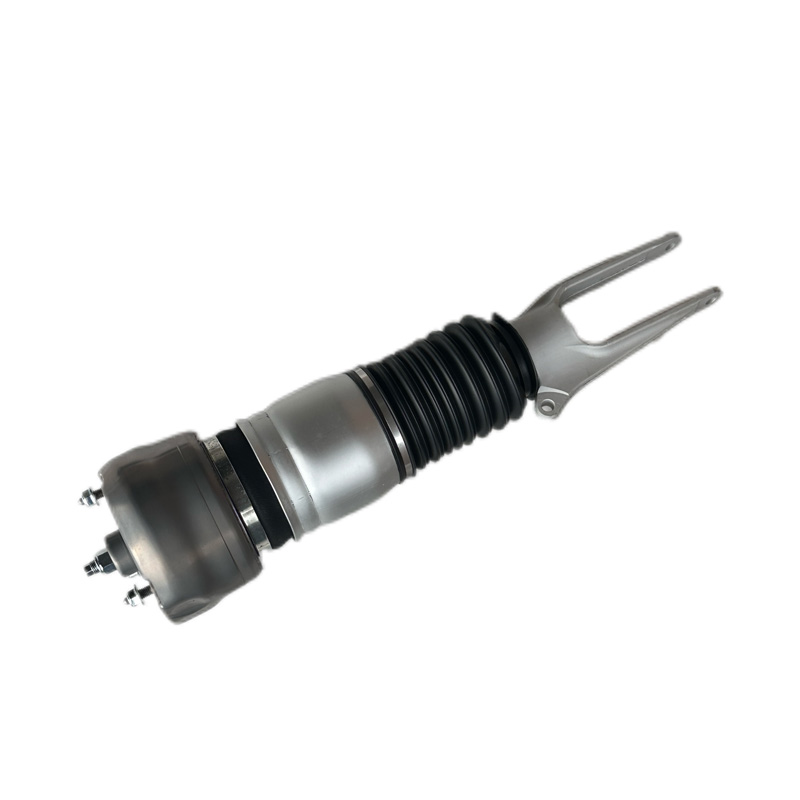
What Problems Does an Air Suspension Shock Absorber Actually Solve?
If you think air suspension simply means “more comfort,” you’re only half right.
On a truck, an Air Suspension Shock Absorber essentially helps manage three things:
- Impact – coming from the road surface
- Weight – coming from the cargo
- Time – coming from years of continuous operation
Traditional steel leaf springs can carry weight very well, but they’re not particularly good at absorbing it. Air suspension does more than just carry the load—it breaks the impact down, buffers it, and then releases it gradually.
Put simply:
Leaf springs are about bearing the load; air suspension is about resolving it.
How Does an Air Suspension Shock Absorber “Work Behind the Scenes”?
Many people assume air suspension systems are complicated. In reality, once you break them down, the logic is surprisingly clear.
I usually explain it with three ideas.
1. Air Is “Holding Things Up”
The air spring is responsible for carrying the weight.
Heavy load means higher air pressure; lighter load means lower pressure. Unlike steel springs, it doesn’t resist rigidly—it constantly seeks a balance point.
2. The Shock Absorber Is “Keeping Order”
If a truck relied only on air springs, it would bounce like a mattress.
The shock absorber controls the rhythm—moving when movement is needed, and staying calm when it isn’t.
3. The System Works Through Coordination
Air lines, valve bodies, and connection structures all work together.
A truly reliable Air Suspension Shock Absorber is almost invisible when it works well. But once it’s gone, you feel the difference immediately.
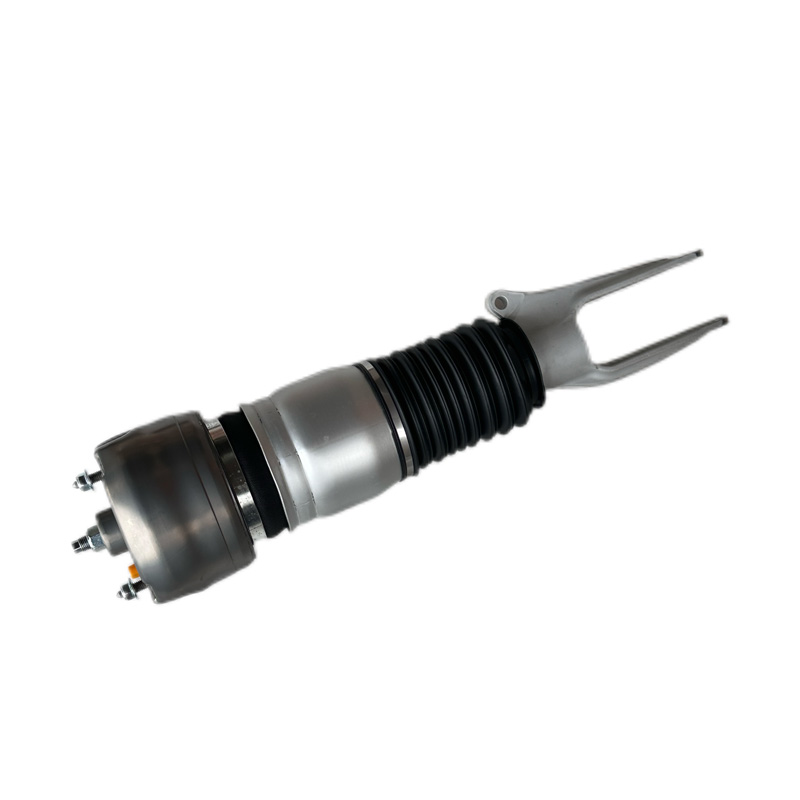
Why Are More Trucks Switching to Air Suspension?
From the projects I’ve been involved in, the reasons customers choose air suspension are refreshingly practical.
✔ Less Driver Fatigue
Drivers notice it first.
It’s not about eliminating bumps entirely—it’s about reducing the constant, irritating vibrations. On long-haul routes, that matters more than any spec sheet.
✔ Better Cargo Protection
For cold-chain transport, precision equipment, and electronics, the stability provided by an Air Suspension Shock Absorber directly reduces cargo damage.
✔ Longer Vehicle Lifespan
This is often overlooked.
When the suspension absorbs shock, stress isn’t dumped straight into the chassis and mounting points. Over time, the difference becomes obvious.
Is Air Suspension Really That “Sensitive”?
To be fair, this reputation didn’t come from nowhere.
Earlier air suspension systems struggled with sealing, materials, and long-term stability. But using that as an argument today feels outdated.
The stable Air Suspension Shock Absorbers I’ve encountered usually share a few traits:
- No obsession with extreme parameters
- Damping tuned for stability, not show
- Focus on long-term consistency rather than short-term “wow” effects
Brands like SYHOWER clearly follow this philosophy—not eye-catching at first glance, but increasingly reassuring over time.
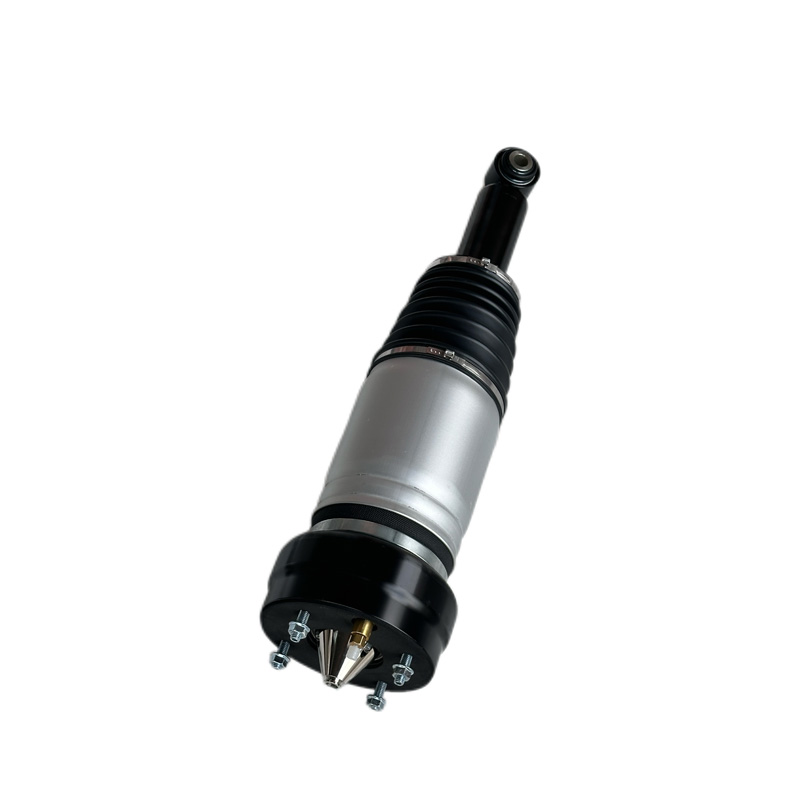
Before Choosing an Air Suspension Shock Absorber, Ask Yourself These Questions
I’ve always believed there’s no such thing as the “best” suspension—only what fits your application.
- Are you mainly driving on highways or rough roads?
- Does your load vary significantly?
- Do you load and unload frequently, and is vehicle height critical?
- Is the operating environment cold, humid, or dusty?
These questions matter far more than brand names or parameter tables.
Air Suspension Maintenance Is Simpler Than You Think
Many so-called failures are really just neglected signals.
From practical experience, a few habits go a long way:
- Check air lines regularly for slow leaks
- Don’t rely on air suspension to compensate for constant overloading
- If ride height looks abnormal after parking, investigate early
An Air Suspension Shock Absorber doesn’t need constant attention—but it shouldn’t be ignored either.
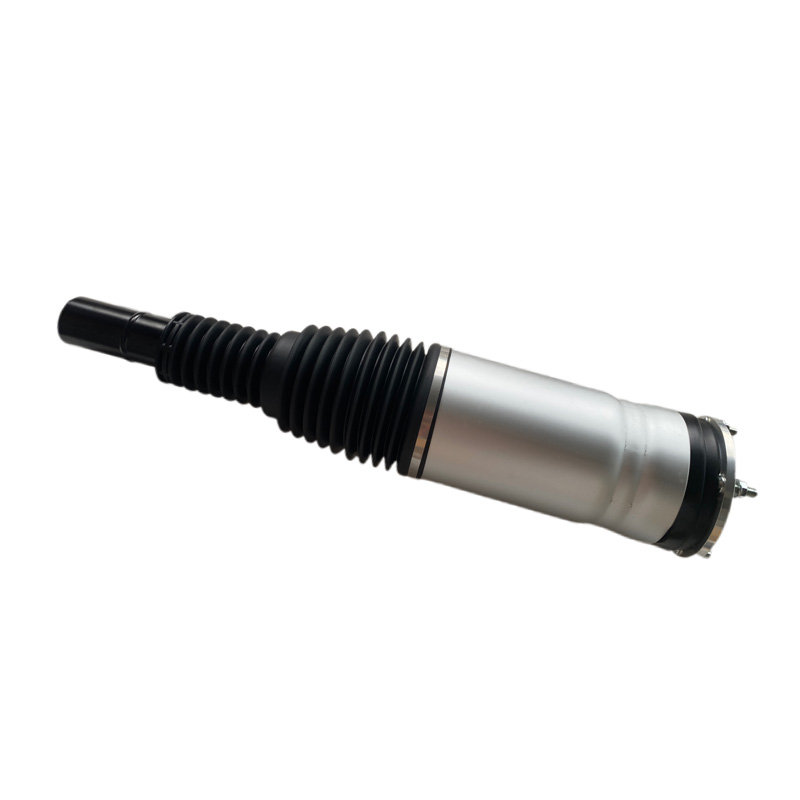
Air Suspension Isn’t a Trend—It’s an Outcome
I don’t like calling air suspension “the future.”
To me, it’s simply the result of the industry maturing—once transport started caring about:
- Driving experience
- Long-term cost control
- Stability and safety
Widespread adoption became inevitable.
Final Thoughts: Stability Matters More Than Anything
After years in the truck parts industry, one belief keeps getting stronger:
Truly great solutions rarely seek attention.
The Air Suspension Shock Absorber works the same way.
It won’t impress you on day one. But three or five years later, you’ll catch yourself thinking: why has this truck always felt so stable?
If you’re researching air suspension now, I hope these first-hand observations help you avoid a few common mistakes.
After all, trucks go the distance not by luck—but by reliability.