How to Choose the Right Truck Brake Pads for Commercial Fleets
Choosing the right Truck Brake Pads is critical for commercial fleets that prioritize safety, performance, and cost efficiency. This in-depth guide explains how truck brake pads work, the different material options available, key selection criteria, and how high-quality brake pad sets can significantly improve braking reliability and reduce long-term maintenance costs. Whether you manage a logistics fleet or operate heavy-duty trucks, this article will help you make an informed decision.
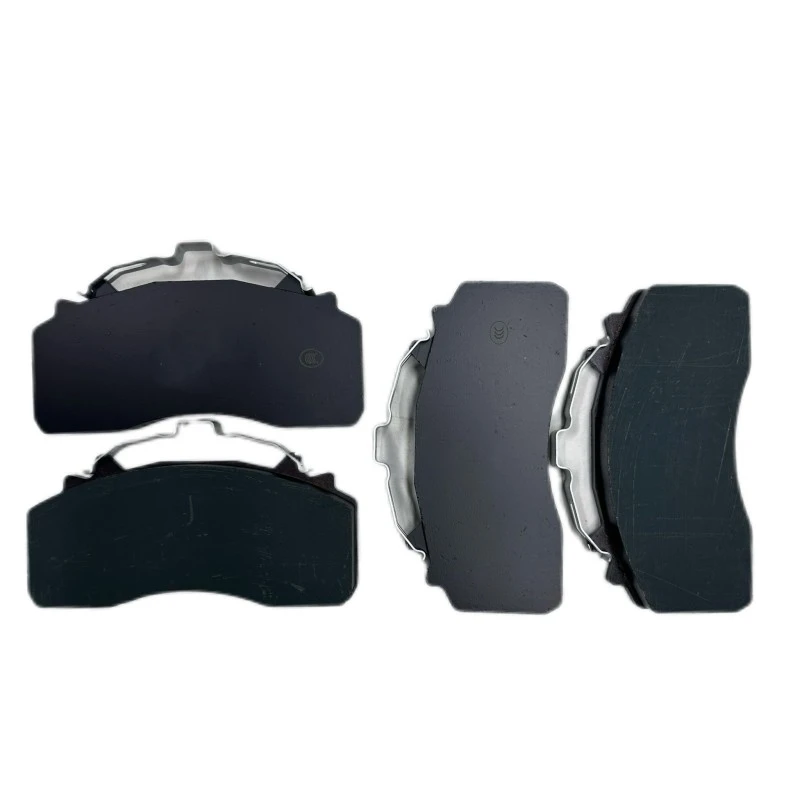
Table of Contents
- 1. Why Truck Brake Pads Matter in Commercial Fleets
- 2. How Truck Brake Pads Work
- 3. Common Types of Truck Brake Pad Materials
- 4. Key Factors When Choosing Truck Brake Pads
- 5. Comparing Different Truck Brake Pad Options
- 6. Benefits of High-Quality Truck Brake Pad Sets
- 7. Why Choose a Reliable Brake Pad Manufacturer
- 8. Frequently Asked Questions (FAQ)
1. Why Truck Brake Pads Matter in Commercial Fleets
For commercial vehicles, braking systems are directly linked to safety, operational efficiency, and compliance with road regulations. Unlike passenger cars, trucks carry heavier loads and travel longer distances, which places extreme stress on truck brake pads.
- Shorter braking distances under heavy loads
- Reduced risk of brake fade
- Lower accident rates
- Improved vehicle uptime
Using low-quality brake pads may result in faster wear, overheating, and frequent replacements, increasing both safety risks and operating costs.
2. How Truck Brake Pads Work
Truck brake pads are a core component of the disc braking system. When the driver applies the brakes, hydraulic pressure forces the brake pads to clamp onto the brake disc, generating friction that slows or stops the vehicle.
Because trucks are heavier and often operate under demanding conditions, their brake pads must withstand:
- High temperatures
- Constant friction
- Variable road and weather conditions
This is why selecting a properly engineered truck brake pad set is essential for fleet performance.
3. Common Types of Truck Brake Pad Materials
| Material Type | Main Features | Best Application |
|---|---|---|
| Semi-Metallic | High durability, strong braking power | Heavy-duty trucks, long-distance transport |
| Ceramic | Low noise, stable performance | Medium-duty commercial trucks |
| Organic (NAO) | Lower cost, softer material | Light commercial vehicles |
For most commercial fleets, semi-metallic truck brake pads offer the best balance between performance and longevity.
4. Key Factors When Choosing Truck Brake Pads
4.1 Load Capacity
Always consider the average and maximum load your trucks carry. Heavier loads require brake pads with higher friction coefficients and thermal resistance.
4.2 Driving Conditions
- Urban stop-and-go traffic
- Highway long-haul routes
- Mountain or downhill driving
4.3 Compatibility
Ensure the truck brake pad set matches the specific brake system and axle configuration of your vehicle.
4.4 Compliance and Standards
High-quality brake pads should meet international quality and safety standards to ensure reliable performance.
5. Comparing Different Truck Brake Pad Options
| Criteria | Low-End Pads | High-Quality Pads |
|---|---|---|
| Braking Stability | Inconsistent | Stable and reliable |
| Wear Resistance | Low | High |
| Noise Control | Poor | Excellent |
| Maintenance Cost | High (frequent replacement) | Lower over time |
6. Benefits of High-Quality Truck Brake Pad Sets
Investing in premium truck brake pad sets provides measurable advantages:
- Enhanced braking efficiency
- Reduced heat-related failures
- Longer service intervals
- Lower total cost of ownership
High-quality materials and advanced manufacturing processes ensure consistent braking performance even under extreme operating conditions.
7. Why Choose a Reliable Brake Pad Manufacturer
A trusted manufacturer like Syhower focuses on quality control, material optimization, and real-world performance testing. Professional suppliers provide:
- Comprehensive truck brake pad solutions
- Consistent product quality
- Technical support for fleet applications
- Custom brake pad set options
Partnering with an experienced manufacturer helps fleets achieve safer operations and long-term savings.
8. Frequently Asked Questions (FAQ)
Q1: How often should truck brake pads be replaced?
Replacement intervals depend on load, driving habits, and road conditions. Regular inspections are recommended to prevent unexpected failures.
Q2: Are aftermarket truck brake pads reliable?
Yes, high-quality aftermarket truck brake pads from reputable manufacturers can match or exceed OEM performance.
Q3: What causes uneven wear on truck brake pads?
Common causes include misaligned calipers, uneven loads, and poor-quality materials.
Q4: Can better brake pads reduce fleet maintenance costs?
Absolutely. Durable brake pad sets reduce replacement frequency and minimize downtime.
Final Thoughts
Selecting the right Truck Brake Pads is not just about price—it’s about safety, reliability, and long-term performance. High-quality brake pad solutions from experienced manufacturers like Syhower help commercial fleets operate more efficiently and safely.
If you are looking for durable, high-performance truck brake pad sets tailored to your fleet needs, feel free to contact us today to learn more about professional braking solutions.