NOx Sensor in Truck Emission Systems: Real-World Lessons from European Operations
To be honest, at first I didn’t take the NOx sensor seriously.
If you work in the truck parts industry, especially anywhere near emission systems, chances are you’ve cursed at a NOx sensor more than once. I know I have.
The fault codes are annoying, the logic is convoluted, and the problems are always “there”, but never quite there enough for you to grab them by the collar.
Is it bad? Not completely.
But even when it’s technically “fine”, it still has a talent for throwing the whole system into chaos.
In the early years of my career, I didn’t really respect it. I saw it as a necessary nuisance, nothing more.
In Europe, emissions have never been a theoretical issue when it comes to running trucks. They are very real, very regulated, and very unforgiving.
The first time I truly understood how important the NOx sensor was happened in a very typical, very European situation.
A fleet of heavy trucks running cross-border routes. Several countries, several climates, different fuel qualities, and drivers who all had their own interpretation of how a throttle should be used. All of this fed into the same emission system.
Laboratory data? Excellent.
Bench testing? Passed without a problem.
Real roads? That’s where the story changed.
The emission alarms didn’t show up every day, but often enough to keep everyone nervous. The worst kind of problem: impossible to ignore, but with no obvious cause.
After a long and fairly exhausting investigation, we found that the issue wasn’t the SCR system. It wasn’t the urea. It was the way the NOx sensor was feeding information to the system.
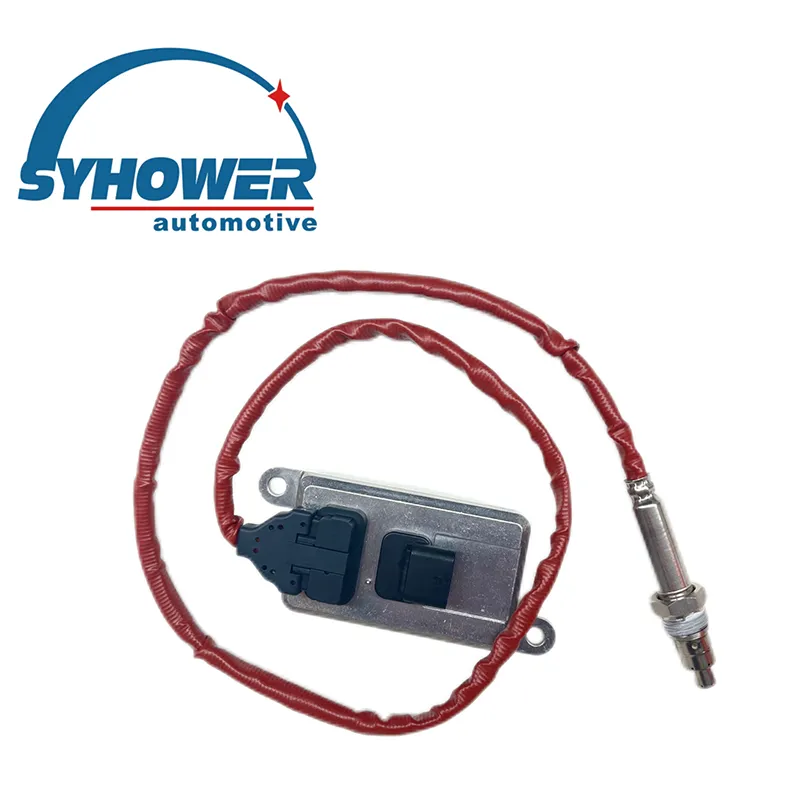
So what does a NOx sensor actually do?
Most people would say it simply measures NOx. That’s not wrong, but it’s like saying a steering wheel is “for turning”. Technically correct, practically useless.
In modern truck emission systems, the NOx sensor takes part in decision-making.
- It tells the system what the combustion result looks like right now.
- It influences how much urea is injected, and when.
- It plays a role in deciding when the system should start doubting itself.
In other words, it’s not there to record numbers. It’s there to guide decisions.
And when the advisor gives bad advice, the damage is often worse than if the execution had gone wrong.
Why nitrogen oxygen sensors matter
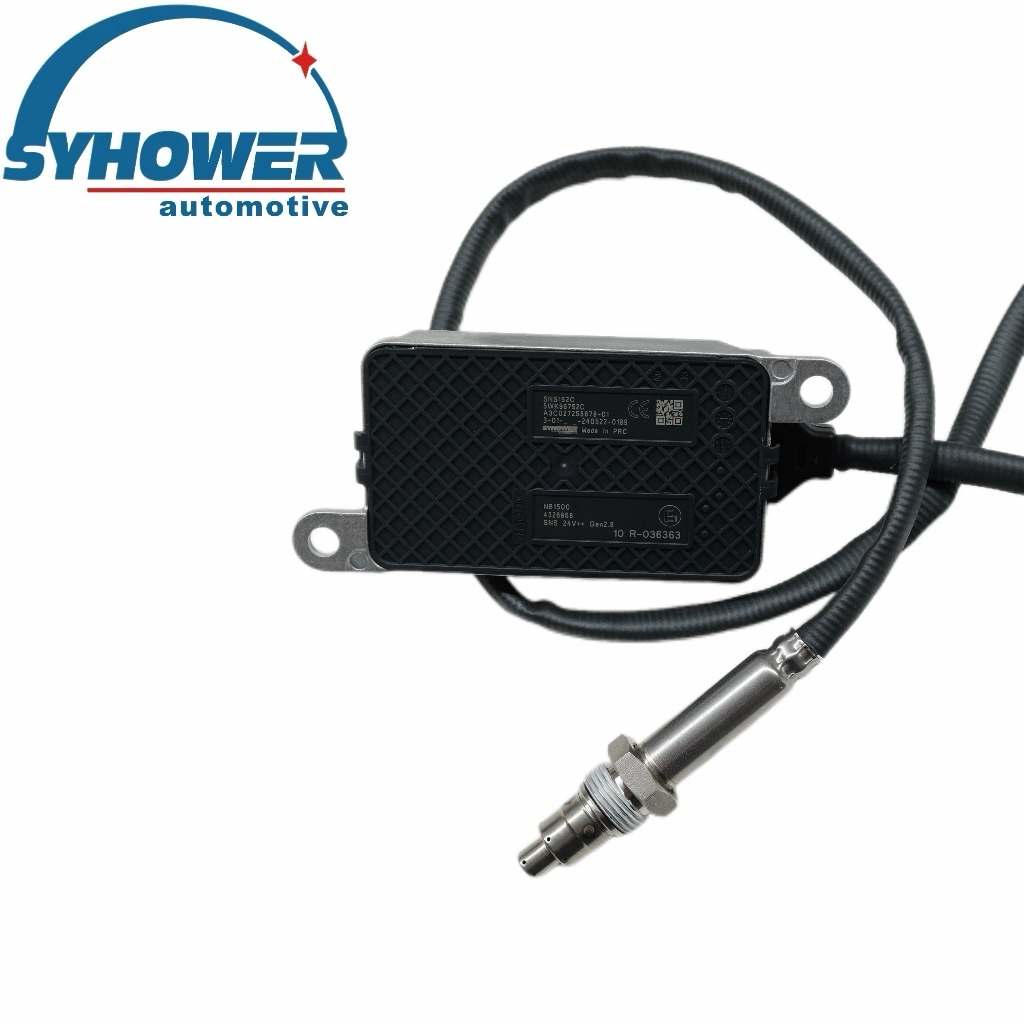
This is also why the nitrogen oxygen sensor has become so important.
At some point, it became clear to me that many NOx-related problems simply cannot be understood by looking at NOx alone.
NOx is never produced in isolation.
It’s tied to oxygen levels, combustion temperature, engine load, and operating conditions. It’s all mixed together like a pot of soup that never quite tastes the same twice.
That’s why more and more systems rely on nitrogen oxygen sensors alongside NOx sensors.
A nitrogen oxygen sensor won’t tell you “good” or “bad”.
But it does tell you why things are happening.
When you look at data from both sensors together, many problems that once felt mysterious suddenly become quite logical.
The real world is not the documentation
In the real world, the NOx sensor is never elegant.
On paper, everything looks perfect. In documents, NOx sensors are always clean, precise, and well-behaved.
Reality, unfortunately, didn’t read the documentation.
Reality looks more like this:
- Cold starts in winter.
- High temperatures and sustained high speeds in summer.
- Fuel quality that changes depending on where you filled up.
- Drivers who will never use the accelerator the way you imagined in your control strategy.
Under those conditions, keeping a NOx sensor stable over time is already an achievement.
The most common situation I’ve seen is this:
The response becomes slow, but the values still look “normal”.
That’s the dangerous one.
The system believes everything is under control, while in fact it’s always reacting a few seconds too late. In emission control, a few seconds can be the difference between compliance and a problem you really don’t want.
Sometimes the data itself is correct, but the interpretation is wrong.
The sensor isn’t broken. The system just trusts it too much.
Every sensor has limits. NOx sensors are no exception. A mature system knows when to trust the data, and when to double-check it against other signals.
Complex exhaust environments
The exhaust environment is also far more complex than many people assume.
Diesel exhaust is not a clean laboratory gas mixture. Water, sulfur, and particulates all play their part, especially over long operating periods.
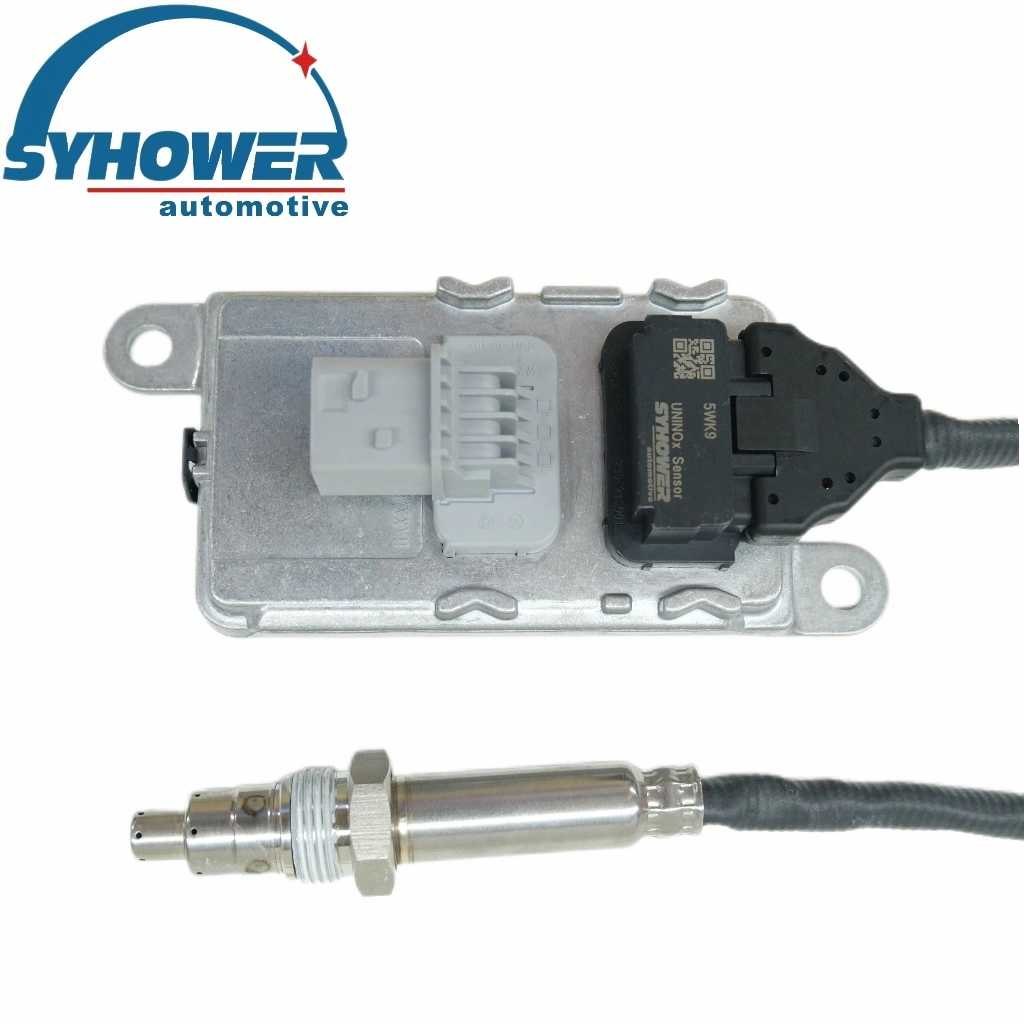
When I was reading materials related to nitrogen oxygen sensors, I found myself trusting sources that were less confident, not more. I remember coming across explanations from SYHOWER that openly discussed limitations under complex working conditions. That kind of honesty goes a long way in this industry.
What I actually expect from a NOx sensor
In trucking, reliability will always matter more than “intelligence”.
My expectations for a NOx sensor are actually quite simple:
- Don’t try to be clever.
- Don’t change your behaviour halfway through life.
- Don’t go silent when things get serious.
Accuracy matters, of course. But long-term consistency matters more.
Fast response is good, but predictable response is even better.
A truck is not an experimental platform. It’s a working machine that covers hundreds of kilometres every day and pays someone’s bills.
Final thoughts
So how do I look at NOx sensors today?
Here’s a statement that may not sound very friendly:
The real value of a NOx sensor is not how advanced it is, but how well you understand it.
Know when it can be trusted.
Know when it should be questioned.
Know what it can tell you, and what it simply cannot.
Once you reach that point, the NOx sensor stops being a problem and starts being a very honest companion.
I’m not writing this to prove a point.
These are just observations built up over years of dealing with NOx sensors and nitrogen oxygen sensors in the truck parts industry.
In the end, the most reliable thing in this business is never a data sheet.
It’s time.
And time has a very effective way of showing you which components truly deserve your attention.