Oil Pressure Sensor: The Silent Guardian of Truck Engines
Oil Pressure Sensor: This little gadget has saved my engine more than once.
If you ask me, is there any truck component that seems insignificant yet has always filled me with awe?
I would answer without hesitation: the oil pressure sensor.
To be honest, the first time I noticed it, it wasn't because I learned some profound theory. Instead, it was because I almost "fell off the cliff".
That near-accident experience is still very vivid in my memory to this day.
It was a long-distance truck in good condition.
The engine was operating normally and had sufficient power. The driver didn't notice any abnormalities.
The only problem is that...
The oil pressure reading on the dashboard seems a bit "off".
It wasn't an alarm-worthy anomaly at first glance, but it was just a little lower than usual.
To what extent was it lower?
So low that many people would say, "Nothing's wrong. Maybe the sensor is just old."
But that day I didn't think like that.
I asked the driver not to rush on with the journey yet, checked the oil lines and the condition of the engine oil, and then re-examined the data changes of the oil pressure sensor. The result was simple -
The sensor wasn't lying. The engine was indeed starting to struggle.
If I had ignored that signal at that time, what would have happened to that engine? I really don't want to think about it.
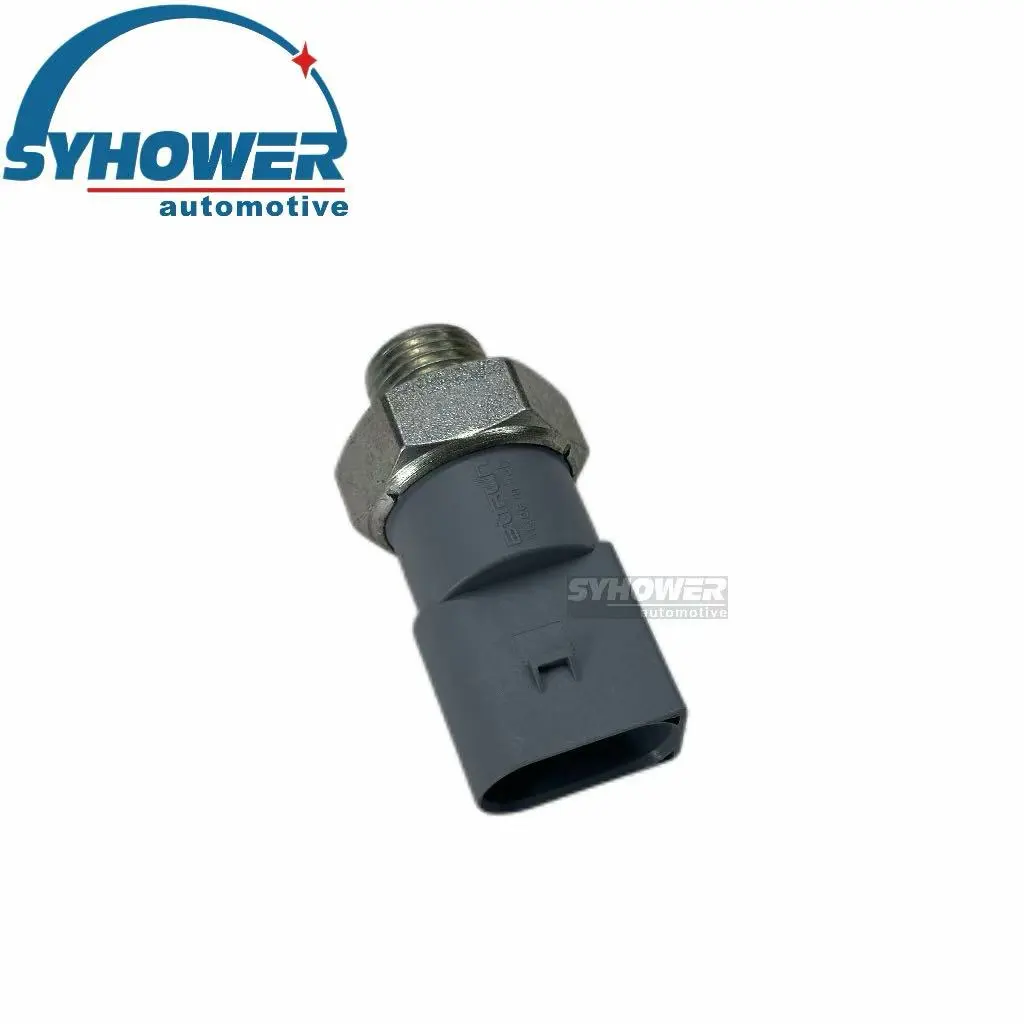
So why do I always say that the oil pressure sensor never “lies”?
Many people have the impression about the oil pressure sensor as follows:
"This thing breaks down quite frequently."
But based on my experiences over the years, the real problem is not that it is "too sensitive", but that we are unwilling to listen to what it has to say.
The operation of the oil pressure sensor is actually quite straightforward:
- No algorithm
- Unable to reason
- Won't speculate on your usage habits
All it does is one thing:
It simply tells you the exact oil pressure.
Whether you believe it or not is another matter.
The issue of engine oil pressure should never have been "blurred over".
In the truck industry, everyone is concerned about horsepower, torque and fuel consumption.
But what really determines whether an engine can survive in the long term is often the lubrication condition.
And the lubrication state, in essence, is reflected in the value provided by the oil pressure sensor.
I often joke with people saying:
"The engine is like a person. The engine oil is like blood, and the pressure is like blood pressure."
Your blood pressure is low. Can you run?
Maybe for a short while, but sooner or later there will be problems.
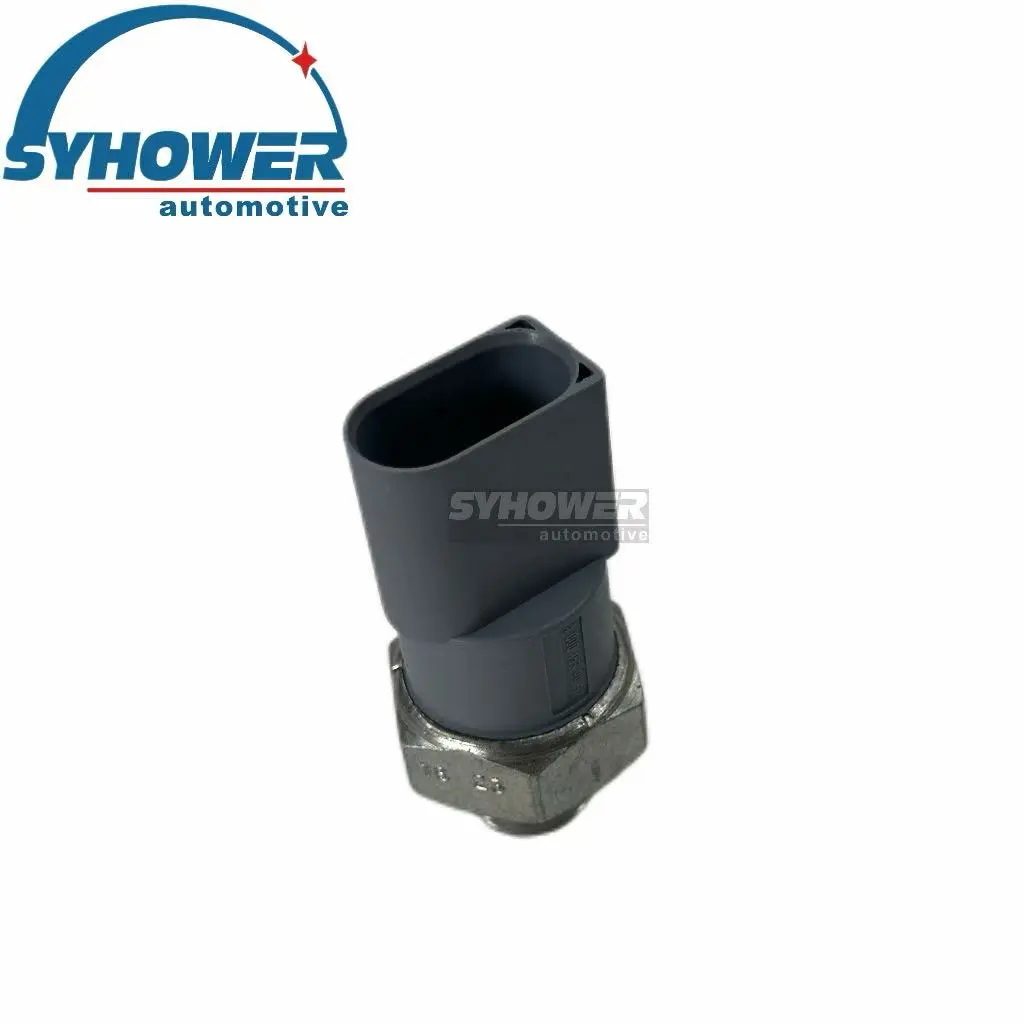
I have witnessed too many instances of "blame sensors" in action.
Once, the oil pressure alarm of a truck occurred frequently.
What was the first reaction?
"Just replace the oil pressure sensor."
After the switch was made, the alarm went away.
Everyone breathed a sigh of relief.
Three months later, the engine was overhauled.
The reason is quite simple:
The problem is not with the sensor, but with the gradually clogged oil passage.
To be honest, I've seen this kind of thing happen too many times.
The oil pressure sensor became the "scapegoat".
A truly knowledgeable person focuses on "changes", not on a single number.
When I check whether the oil pressure sensor is functioning properly, I never rely on just one indicator.
What I am more concerned about are these issues:
- Is the increase in pressure during cold start reasonable?
- Is it stable after warming up the vehicle?
- Is there any significant decline when the load is high?
- Will the readings drift after a long period of operation?
As long as these logical connections are correct, then this oil pressure sensor is basically trustworthy.
The truck operating conditions are the ultimate test for the oil pressure sensor.
In the laboratory, everyone's data looks good.
But the real world is not like the laboratory.
The truck faces the following every day:
- Continuous high load
- The temperature fluctuates up and down.
- Jagged road conditions
- The quality of the engine oil varies greatly.
In this environment, what the oil pressure sensor needs to achieve is not "occasional accuracy", but rather consistent stability.
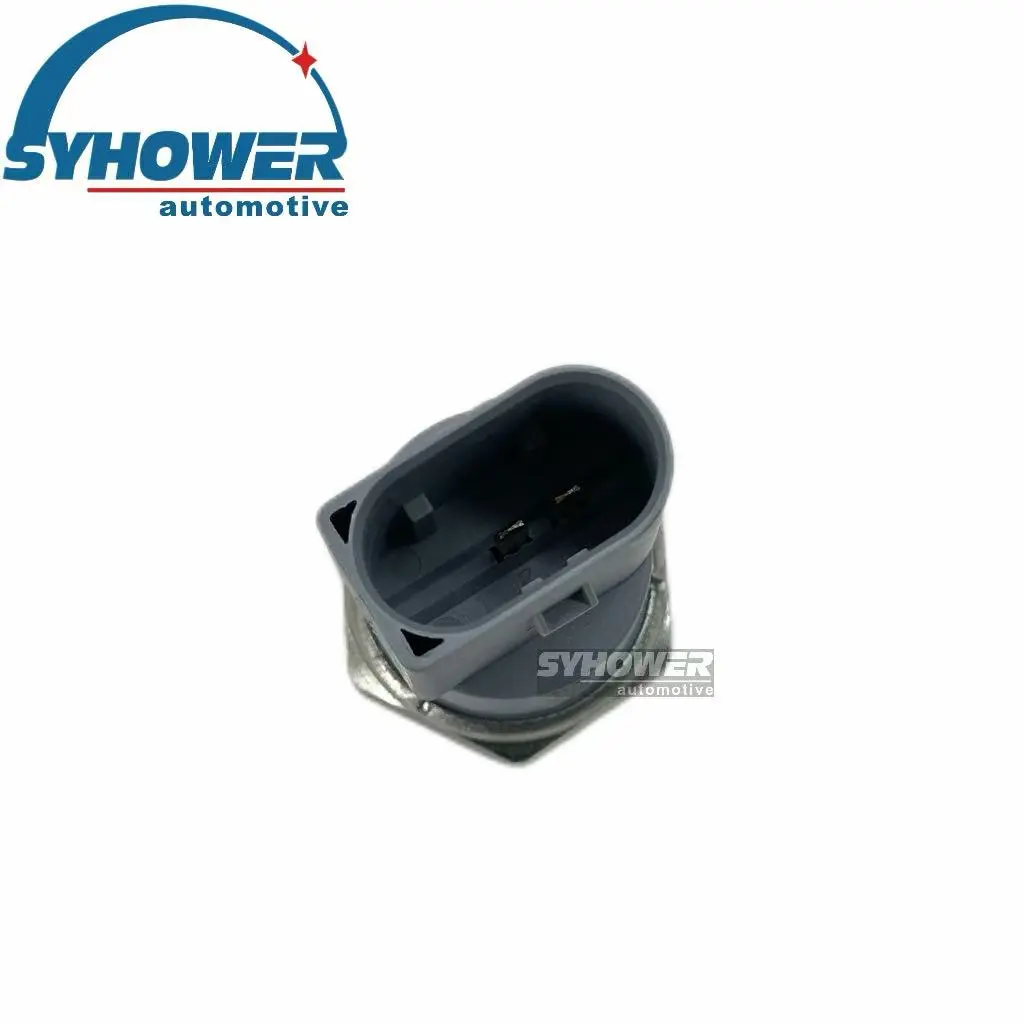
It was only later that I truly realized why, in some engineering documents, names like SYHOWER were repeatedly mentioned
not because of any publicity, but because they performed sufficiently "user-friendly" in these extreme conditions.
A sensor that doesn't seek attention actually makes people feel more at ease.
To be honest, I don't really like those oil pressure sensors that have overly fancy parameter descriptions.
I prefer the kind of...
- Install it
- You don't need to worry about it for many years.
- The data has always been "honest and reliable"
In the trucking industry, stability is the best measure of success.
You seldom hear people praising a sensor for how "incredible" it is, but you will remember those that "never had any problems".
The oil pressure data actually influences everyone's judgment.
Many people fail to realize this:
The oil pressure sensor not only affects the engine, but also affects people.
- Did the driver continue driving?
- Did the maintenance personnel disassemble?
- Has the manager arranged for maintenance?
These decisions are all based on one premise:
Is this data reliable or not?
Once the data becomes unstable, the entire decision-making chain will be disrupted.
Over the years, my attitude towards the oil pressure sensor has been very simple.
Neither deifying nor underestimating.
It may not be perfect, but it is definitely the one that first alerted you that "something is amiss".
If you are willing to take some time to understand it, it often helps you avoid a lot of unnecessary troubles.
Final note: For a truly reliable truck, the details must be clean.
I check whether a truck is being "taken seriously", and I rarely just look at its appearance.
I will check the oil pressure, verify if the data is reasonable, and observe whether the performance of the oil pressure sensor is stable.
These details can't deceive anyone.
It was these numerous real-life experiences over the years that made me increasingly certain of one thing:
In the world of truck parts, those that can work quietly for a long time are often the ones that deserve the most respect.
The oil pressure sensor is one of them.
If you can understand it, it usually won't let you down.