Oil Temperature Sensor in Trucks: Real-World Insights from Industry Experience
Why I’m Paying More and More Attention to the Oil Temperature Sensor — Real Observations from the Truck Components Front Line
If you ask me which component in a truck system is most likely to be overlooked — yet capable of causing the most serious consequences — my answer would be almost immediate: the Oil Temperature Sensor.
For years, like many of my colleagues, I paid far more attention to the “visible major components” such as engines, transmission housings, and cooling systems. It wasn’t until I encountered several real on-site cases that I began to realize that changes in oil temperature are often the most honest early indicator before a problem actually surfaces.
In this article, I want to systematically discuss the real-world value, working principles, selection logic of the Oil Temperature Sensor within truck systems, as well as the “pitfalls” that only those who have spent years deep in this industry truly encounter.
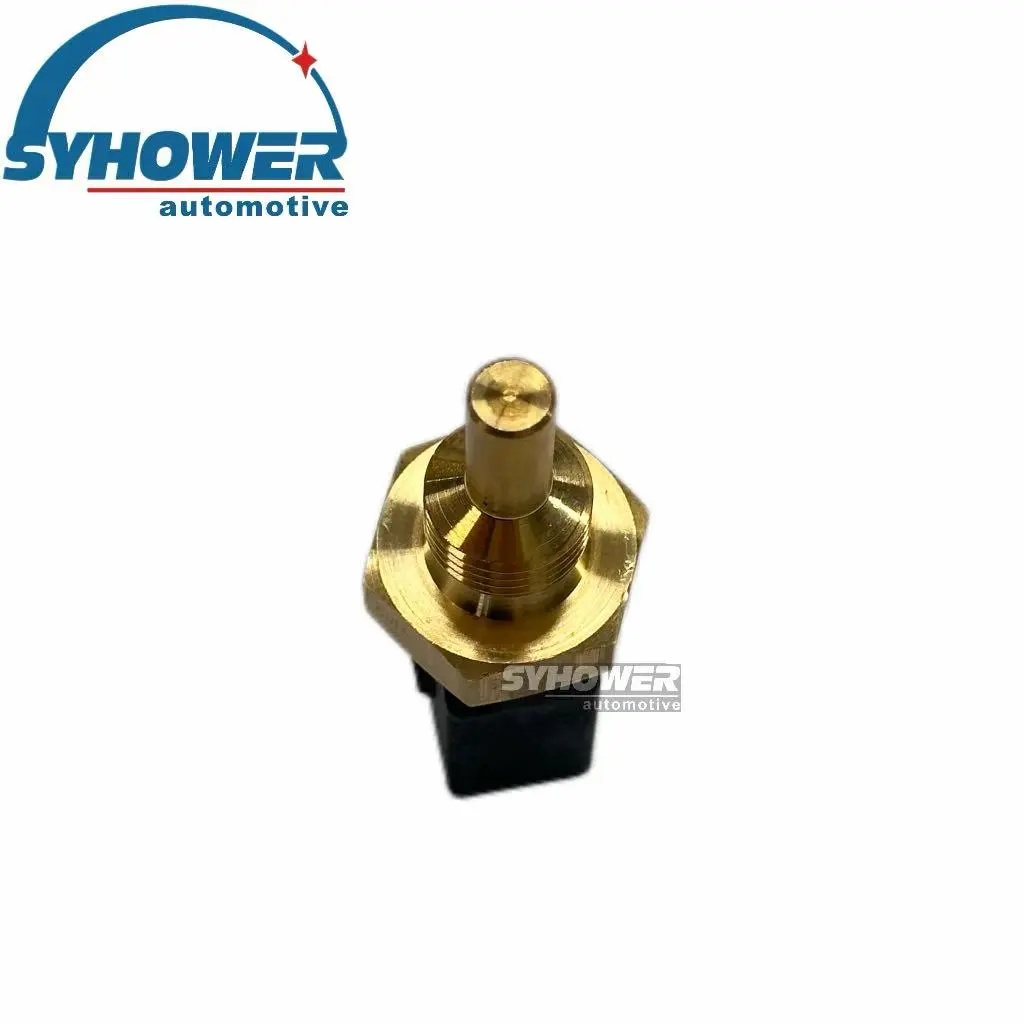
What Exactly Is the Oil Temperature Sensor Measuring?
Many people actually misunderstand this.
From a technical standpoint, the Oil Temperature Sensor monitors the temperature of engine oil, transmission oil, or hydraulic oil in real time. However, in real applications, its significance goes far beyond simply “displaying a number.”
In real-world heavy truck operating conditions, oil temperature often changes earlier — and more consistently — than oil pressure.
I’ve witnessed far too many cases where:
- Oil pressure remains within normal range
- No alarms are triggered on the dashboard
- Yet oil temperature stays persistently high
That “persistent high level” is often the early warning sign of declining lubrication performance, seal aging, and abnormal internal friction.
The real value of an Oil Temperature Sensor is found in the trend, not the instantaneous reading.
The System Role of Oil Temperature Sensors in European Truck Design
Looking at the design philosophy behind many European truck platforms, there’s one aspect I’ve always admired: a strong emphasis on system-level coordination rather than isolated component performance.
In many European trucks, the Oil Temperature Sensor is not an independent part. It often participates in:
- ECU logic decisions
- Engine protection strategies
- Transmission shift control
- Remote fleet management data collection
In practical terms, this means oil temperature data isn’t just for the driver’s information — it directly influences how the vehicle operates.
When oil temperature becomes abnormal, the system may proactively limit torque, adjust shift timing, or even enter protection mode before mechanical damage occurs.
This reflects a restrained, highly rational engineering philosophy.
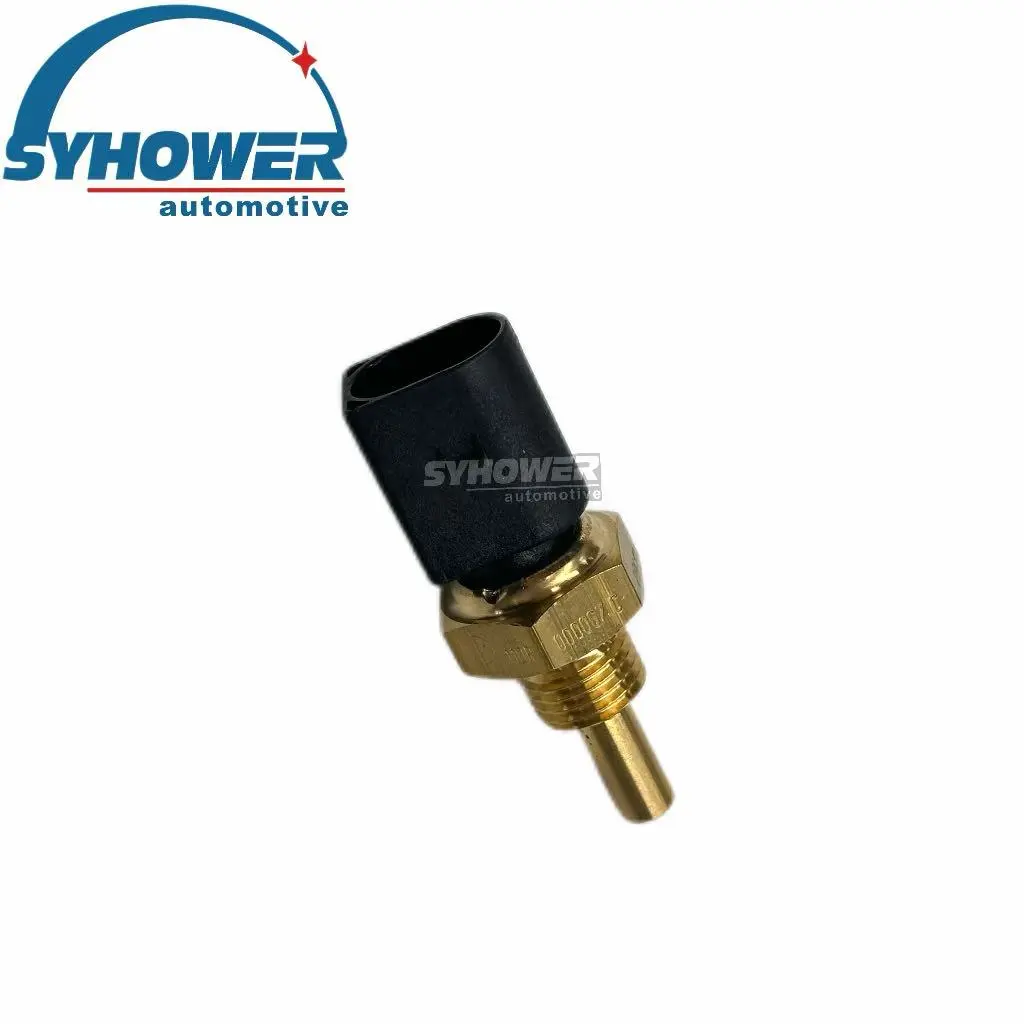
Common Types of Oil Temperature Sensors I’ve Encountered in Practice
After spending enough time in the truck parts industry, you start to realize that sensors aren’t about “the more advanced, the better” — compatibility matters far more.
1. Thermistor (NTC) Type
This is the type I encounter most often:
- Controlled cost
- Fast response
- Widely used for engine oil temperature monitoring
However, it places high demands on wiring quality and connector stability. If the installation environment isn’t ideal, signal drift becomes a real risk.
2. Thermocouple Type
More stable under extreme temperatures, such as high-temperature hydraulic systems.
That said, it’s not a mainstream option in trucking unless used for very specific applications.
3. Integrated Intelligent Sensors
These have grown significantly in recent years. Signal processing is built into the sensor body, resulting in more stable output.
I first encountered these while studying European supply chains. Some solutions, including those from SYHOWER, stood out for an interesting reason: they don’t chase eye-catching specifications, but instead focus on long-term stability and consistency — very much in line with European engineering thinking.
Why Oil Temperature Sensors “Aren’t Broken” — Yet Still Cause Problems
This is a question I’ve been asked countless times.
In many cases, the sensor itself isn’t damaged at all. Yet the system keeps reporting abnormal readings. The root cause usually lies elsewhere:
- Poor sensor placement
- Inadequate thread contact
- Aging sealing rings
- Wiring harness routed too close to heat sources
I once participated in a case where the sensor was replaced multiple times with no improvement. Eventually, the real issue turned out to be tiny air bubbles in the oil circuit, preventing accurate temperature transfer to the sensor.
My experience has taught me that sensor issues are often the result of system-level problems, not the original cause.
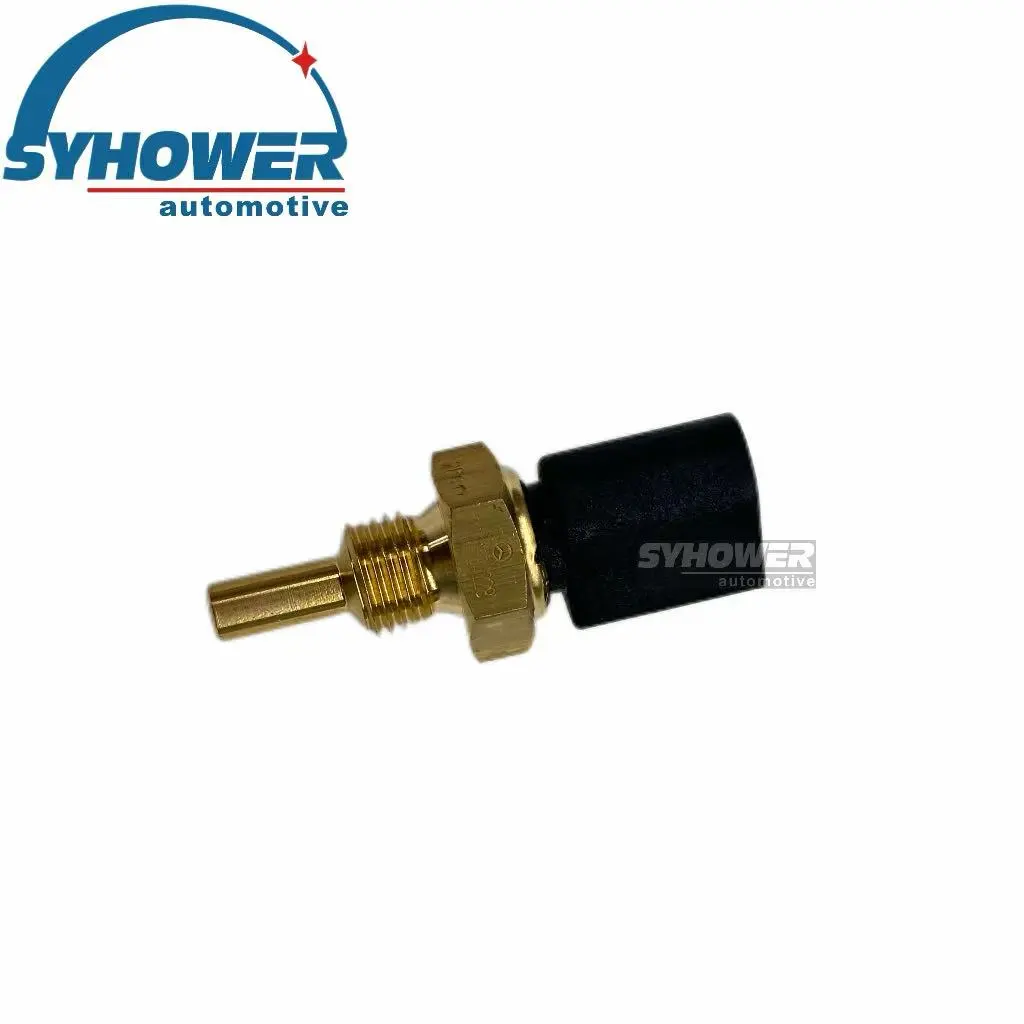
Five Practical Factors I Always Consider When Selecting a Sensor
If I had to summarize it in one sentence:
Don’t just read the datasheet — think about the real operating scenario.
- Does the operating temperature range leave enough safety margin?
- Does the response speed align with system control logic?
- Are the thread specification and installation space reasonable?
- Is the signal stable and easily recognized by the ECU?
- Is long-term batch consistency reliable, not just individual sample performance?
More often than not, I’ll choose the less “impressive-looking” option if it proves more dependable under real driving conditions.
The Real Relationship Between Oil Temperature Sensors and Truck Reliability
In the heavy truck industry, there’s a saying: true reliability is invisible.
The Oil Temperature Sensor fits this perfectly:
- It doesn’t generate power
- It doesn’t affect driving feel
- It doesn’t determine payload capacity
But it determines whether the system even knows something is going wrong.
In many ways, it serves as the nerve endings of the entire vehicle.
One Experience That Truly Stayed With Me
A few years ago, I worked with a multinational logistics fleet. Their vehicles weren’t top-tier models, yet their failure rates were significantly lower than industry averages.
Later, as I looked deeper into their operations, the reason became clear: they placed serious emphasis on long-term oil temperature data tracking.
Oil temperature data from every vehicle was collected, compared, and analyzed continuously.
They didn’t wait for alarms — they monitored trends.
Once a vehicle’s oil temperature curve started deviating from normal patterns, maintenance was scheduled proactively.
That experience fundamentally changed how I view sensors.
At that moment, I truly understood: the value of a sensor lies not in alarming, but in predicting.
Final Note: Why I Spent So Much Time on This “Small Component”
If you’ve made it this far, you’re probably someone who cares not just about knowing what a component is, but why it matters.
In the truck parts industry, the Oil Temperature Sensor is never the star of the show — yet it often determines whether the main character completes the journey safely.
I didn’t write this to recommend any specific product. This article is simply a structured reflection of years of observation, mistakes, and real-world reasoning.
If one day, understanding oil temperature data helps you prevent a major failure before it happens —
then this article has already done its job.